
Apresentação

O contínuo processo de transformações socioeconômicas, políticas, culturais e tecnológicas globais aumentam a complexidade da atividade agropecuária e, consequentemente, dos processos de tomada de decisão nesse setor. Esse novo momento exige dos produtores a melhoria de seus processos e suas habilidades gerenciais. Dessa forma, devem integrar em suas funções administrativas as seguintes ações estratégicas: Planejamento, Organização, Direção e Controle das atividades, buscando maior sucesso nas decisões e melhor desempenho econômico, financeiro e operacional do negócio.
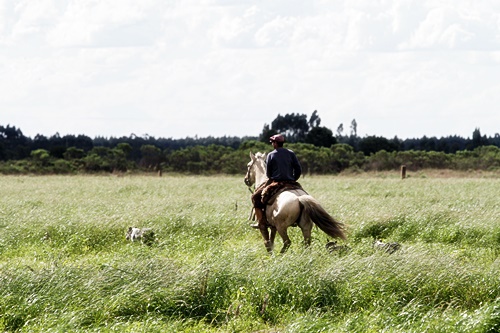
A função social do imóvel rural trata do atendimento às exigências legais, referendadas pela Constituição de 1988 (“Estatuto da Terra” (Lei nº 4.504, de 30 de novembro de 1964)), que definem que o imóvel rural, embora um patrimônio privado, precisa cumprir seu papel social. Isto significa que deve ser uma unidade de produção sustentável no tempo, do ponto de vista econômico, social e ambiental, e alcançar patamares mínimos de produtividade. Do ponto de vista econômico são utilizados os índices de produtividade, referentes ao Grau de Eficiência da Exploração (GEE) e ao Grau de Utilização da Terra (GUT), que devem, simultaneamente, ser igual ou superior a 100%, no caso do GEE e a 80% no caso do GUT, para que o imóvel rural cumpra sua função social. Os outros pilares da função social do imóvel são avaliados pelo cumprimento da legislação ambiental de acordo ao descrito no Código Florestal brasileiro (Lei 12.651, de 2012), como: Cadastro Ambiental Rural (CAR); Áreas de Preservação Permanente (APP); Reserva Legal Obrigatória e Áreas de Uso Restrito. E também pelo cumprimento das legislações de cunho social e trabalhista, os quais estão inclusos no cadastro do E-Social, como as obrigações Fiscais, Previdenciárias e Trabalhistas.
Trata do estabelecimento de modelos de gestão que propiciem o desenvolvimento humano e que, ao mesmo tempo, conduzam a empresa rural à eficiência técnico-econômica e à sustentabilidade, tendo como princípios-base à ética e os valores morais nas relações empregador-empregado. A melhoria na qualidade do ambiente de trabalho e na qualificação e capacitação dos trabalhadores rurais são condições essenciais na pecuária moderna, condizente com os novos padrões de governança exigidos pela sociedade.

A gestão ambiental é hoje peça chave para a sobrevivência de diferentes setores, incluindo o agropecuário, dado o quadro de mudanças climáticas, perda de biodiversidade e maior conscientização sobre a importância do meio ambiente na provisão de serviços ecossistêmicos essenciais. Um adequado manejo dos recursos naturais existentes na propriedade rural, em conformidade com as leis ambientais e com técnicas recomendadas para a conservação do solo, da biodiversidade, dos recursos hídricos e da paisagem rural, promove a redução ou mitigação de possíveis impactos ambientais negativos produzidos pelos seres humanos. O cumprimento das leis ambientais, aliado à execução de uma gestão ambiental adequada, podem assegurar a estabilidade e a rentabilidade dos sistemas produtivos, além da sua sustentabilidade. Os produtores que atentam e atendem a essas questões conseguem uma distinção de imagem de si e de seus produtos perante os consumidores, os quais estão cada vez mais conscientes e, portanto, mais exigentes.
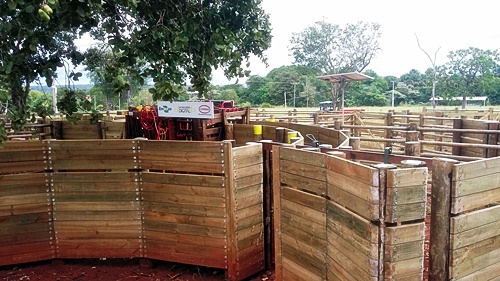
As instalações para a produção de bovinos de corte devem se basear em aspectos relacionados com a funcionalidade, resistência, economia e segurança, atendendo ainda aos princípios de bem-estar animal e manejo racional. Instalações inadequadas podem comprometer a qualidade da carne e do couro, por facilitarem a ocorrência de hematomas, feridas ou contaminação por resíduos na carcaça, e de furos, cortes e riscos profundos no couro bovino. Esses danos depreciam seu valor comercial, reduzindo, assim, a rentabilidade do produtor e comprometendo a imagem da pecuária de corte. As instalações devem ser sempre planejadas para atender ao fluxo de trabalho, considerando a frequência de manejo, bem como o número e o tamanho dos animais. Um bom planejamento evita gastos posteriores com adaptações. Também são recomendados a manutenção e os reparos periódicos, assim como a higienização das instalações para manter as condições adequadas de manejo.
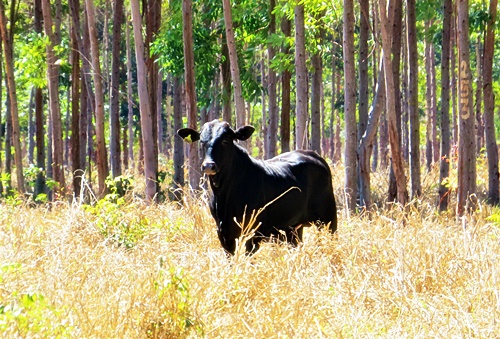
Não é apenas uma questão ética, mas é crítico para a eficiência produtiva, além da imagem do setor agropecuário. Condições inadequadas acarretam perdas de animais, de peso, de rendimento de carcaça e qualidade da carne e do couro, além de comprometer a segurança da mão-de-obra dentro da propriedade rural. Os consumidores têm, cada vez mais, demandado informações sobre a sustentabilidade dos sistemas de produção e os cuidados com o bem-estar animal (BEA), do nascimento ao abate. Existe uma relação muito estreita entre bem-estar animal, saúde animal e desempenho produtivo, que levam em consideração as necessidades fisiológicas e comportamentais dos bovinos, com ganhos diretos e indiretos na produção de carne e couro de qualidade.
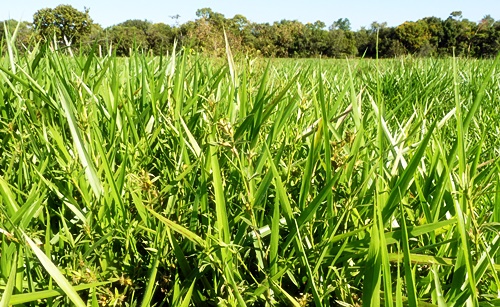
A boa formação e o manejo adequado da pastagem geram maior rentabilidade e prolongam sua vida produtiva, reduzindo os custos com reforma e/ou recuperação, e com suplementação animal. Por outro lado, pastagens malformadas e/ou manejadas resultam em animais malnutridos, com perda de eficiência reprodutiva, de saúde e de ganho de peso, o que redunda em perdas econômicas para o produtor, além de impactos ambientais negativos. Por isso, os cuidados devem ser observados na sua formação, utilização, manutenção e recuperação,pois constituem o meio mais econômico de se produzir bovinos de corte.
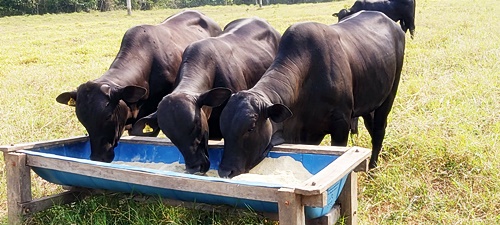
Por resultar em maior produtividade (kg de carne/ha), a suplementação pode reduzir a necessidade de uso de novas áreas (efeito poupa-terra), contribuindo para o aumento da competitividade e para a redução do impacto ambiental da atividade, inclusive das emissões de GEE. Nesse último caso, a redução do impacto se dá de duas formas: por meio da redução de kg de CO2 eq/kg de carne produzida e pela menor permanência do animal no sistema de produção, reduzindo sua emissão total de metano, principal GEE na pecuária. Assim é fundamental conhecer as estratégias nutricionais e de qualidade dos insumos e aditivos utilizados na suplementação animal, de forma a garantir a produção, economicamente viável, de carne bovina livre de resíduos que possam prejudicar a saúde humana.
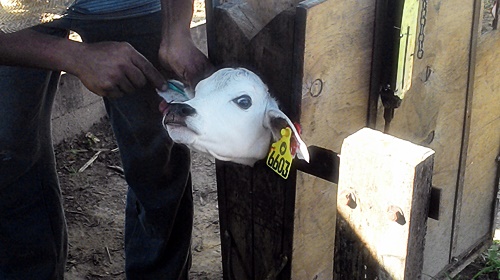
Possibilita a avaliação do desempenho de cada indivíduo e, por extensão, de todo o rebanho, viabilizando a tomada de decisões gerenciais precocemente por meio dos índices zootécnicos, além de viabilizar o processo de rastreamento, garantindo ao mercado consumidor a oferta de carne bovina de origem conhecida, livre de resíduos e contaminantes de qualquer natureza que possam comprometer a saúde do consumidor, permitindo ainda que a ação seja rápida na identificação da(s) propriedade(s) rural(is) ou região, quando da ocorrência de problemas sanitários de qualquer ordem, reforçando os compromissos da cadeia produtiva com os consumidores.
A ocorrência de doenças e de parasitas prejudica o desempenho do rebanho, podendo comprometer a qualidade da carne e do couro, além de se aumentar o risco de transmissão de determinadas enfermidades ao homem (zoonoses). Fatores como esses podem dificultar e comprometer a comercialização dos produtos, além de favorecer a imposição de barreiras sanitárias pelos mercados consumidores, principalmente o mercado externo. Por isso, há medidas preventivas e curativas de manejo sanitário recomendadas para o bom desempenho do rebanho, garantindo a saúde animal e a produção de carne segura e saudável para consumo humano.

Para o produtor, a exploração comercial do sistema de cria tem por objetivo principal otimizar a produção de bezerros desmamados, sendo fundamental estabelecer estratégias de manejo, com finalidade de garantir a produção de um bezerro/vaca/ano para assegurar viabilidade econômica. As principais práticas de manejo visam otimizar o desempenho reprodutivo e produtivo do rebanho de cria, pois os sistemas de produção com baixa taxa de natalidade e desmama têm baixo desempenho técnico-econômico, colocando em risco a estabilidade do negócio.